
The Role of Technology in Human Resource Management
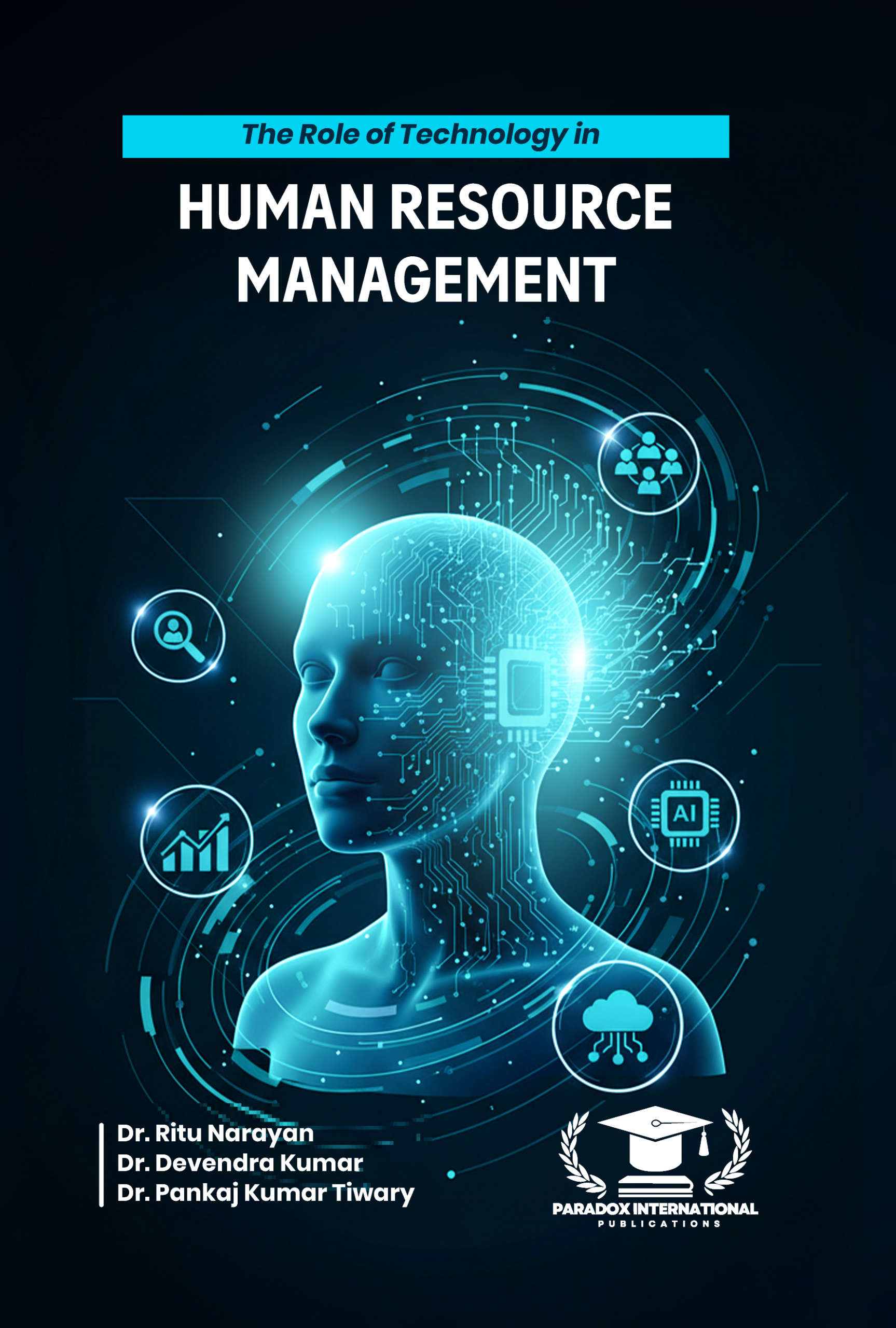
The Role of Technology in Human Resource Management
Authors: Dr. Ritu Narayan, Dr. Devendra Kumar, and Dr. Pankaj Kumar Tiwary
ISBN: 978-93-7183-128-4
DOI: https://doi.org/10.59646/544
Date of Publication: December 22, 2025
About the Book:
In an era defined by rapid technological evolution, the field of Human Resource Management (HRM) stands at a transformative crossroads. Traditionally centered on personnel administration and organizational support functions, HRM today is being reshaped by advanced technologies that redefine how organizations attract, develop, engage, and retain talent. From data-driven decision-making and automated recruitment workflows to intelligent performance management systems and immersive learning platforms, technology has become a strategic pillar—not merely a support function—in nurturing human capital.
This textbook, The Role of Technology in Human Resource Management, is designed to provide readers with a comprehensive understanding of how contemporary technologies are influencing HR practices, enhancing organizational effectiveness, and redefining the future of work. *The text bridges theory and practice, taking readers on a journey that begins with foundational concepts in HRM and leads into cutting-edge developments in digital transformation. It explores the strategic integration of artificial intelligence, big data analytics, cloud computing, mobile platforms, and emerging tools such as virtual reality and machine learning within the HR domain.
The primary aim of this book is to equip students, HR practitioners, and organizational leaders with the knowledge and analytical tools necessary to navigate and leverage technological innovations responsibly and ethically. While technology promises efficiency and enhanced decision-making, it also poses challenges—ethical considerations, privacy concerns, algorithmic bias, and implications for workforce wellbeing. The chapters in this text address both opportunities and challenges, enabling readers to understand not only what these technologies do but how they impact organizational culture, employee experience, and the broader socio-technical landscape.
This textbook is structured to facilitate progressive learning. The initial chapters establish the evolving role of HR in the digital age, followed by focused explorations of technological applications across key HR functions such as talent acquisition, performance management, learning and development, compensation and benefits, employee engagement, and HR analytics. Case studies and real-world examples are interwoven throughout to demonstrate practical implementations across diverse organizational contexts, including multinational corporations, startups, public sector entities, and non-profit organizations.
We hope this work serves as both a foundational academic resource and a practical guide that informs strategic decision-making in professional practice. As technology continues to evolve, the role of HR professionals must also expand—embracing innovation while maintaining a steadfast commitment to ethical stewardship of human capital.
Finally, we extend our gratitude to researchers, industry professionals, and educators whose insights have contributed to the development of this book. It is our hope that readers will find in this text not just information, but inspiration for shaping the future of Human Resource Management in a world where human and technological potential converge.