
Digital States: Politics in the Age of Technology
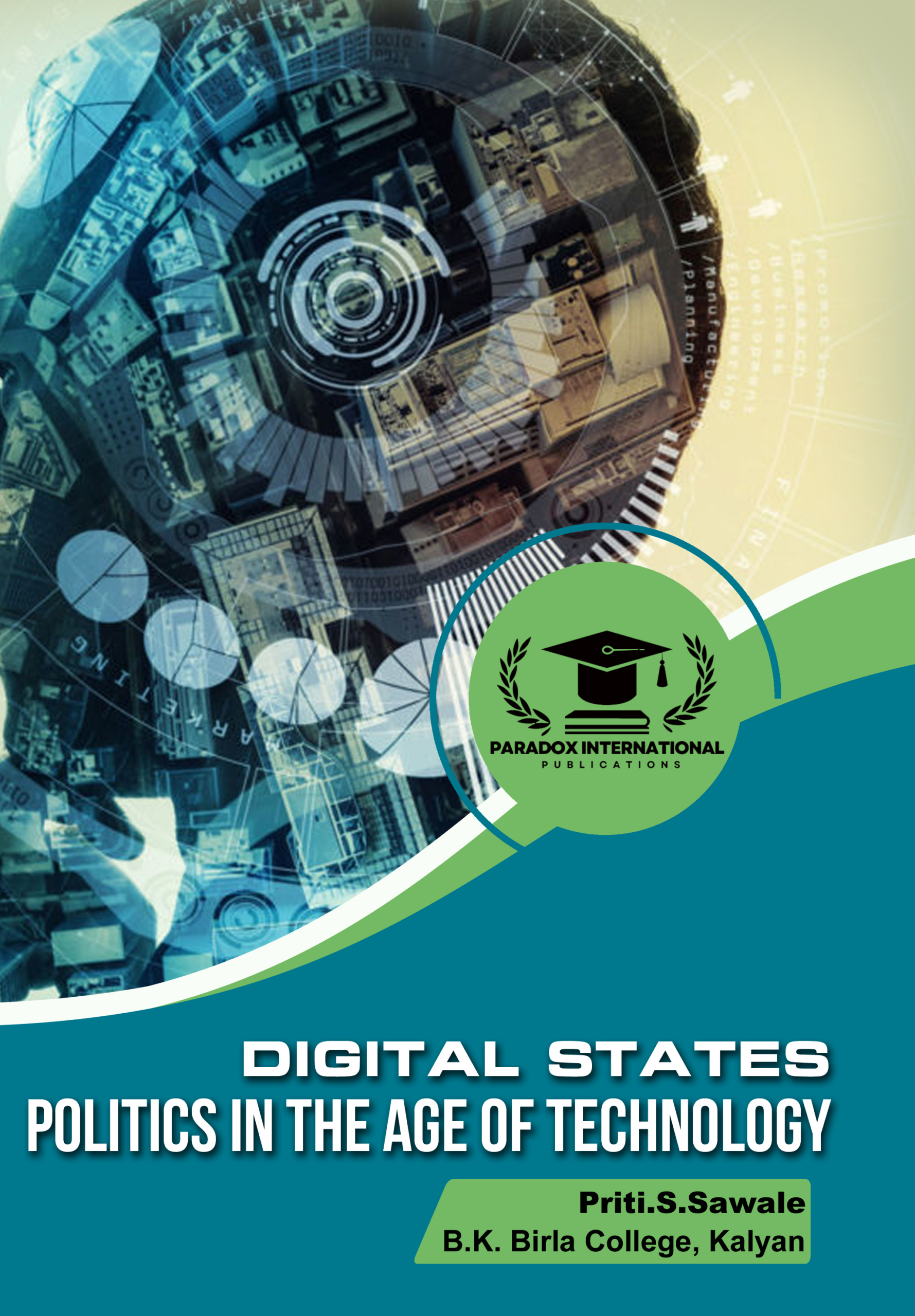
Digital States: Politics in the Age of Technology
Author: Priti Samar Sawale
ISBN: 978-93-7183-805-4
DOI: https://doi.org/10.59646/550
Date of Publication: December 30, 2025
About the Book:
The rapid advancement of digital technologies has fundamentally transformed the nature of the modern state, reshaping political institutions, governance processes, public participation, and the relationship between governments and citizens. From e-governance platforms and digital public services to artificial intelligence in policymaking and the growing influence of social media on democratic discourse, technology has become an integral force in contemporary politics. Digital States: Politics in the Age of Technology seeks to examine these transformations through an interdisciplinary and critical lens.
This textbook is designed to provide students, researchers, and practitioners with a comprehensive understanding of how digital technologies influence political power, state capacity, accountability, and public engagement. It explores the ways in which digital tools are redefining governance structures, enhancing administrative efficiency, and enabling data-driven decision-making, while simultaneously raising complex challenges related to privacy, surveillance, cybersecurity, inequality, and democratic integrity. The book brings together key theoretical perspectives and real-world case studies to illustrate how different states adopt and adapt digital technologies within diverse political, economic, and cultural contexts.
Particular attention is given to emerging technologies such as artificial intelligence, big data analytics, blockchain, and algorithmic governance, and their implications for policy formulation, electoral processes, public service delivery, and national security. The text also examines the role of digital platforms in political mobilization, public opinion formation, and the evolving nature of citizenship in the digital age. Digital States aims to bridge the gap between political theory and technological practice.
Each chapter is structured to encourage critical thinking by combining conceptual discussions with contemporary examples, policy debates, and ethical considerations. The book emphasizes both the opportunities and risks of digital transformation, highlighting the need for inclusive, transparent, and accountable governance frameworks that can harness technology for public good.
This textbook is intended for use in courses on political science, public administration, public policy, digital governance, and technology studies at the undergraduate and postgraduate levels. It will also be of value to policymakers, civil servants, and professionals seeking to understand the political dimensions of digital transformation. By offering a balanced and accessible analysis, Digital States: Politics in the Age of Technology aspires to equip readers with the knowledge and critical tools required to navigate and shape governance in an increasingly digital world.